What Are SEO Services? A Complete Guide to SEO for Business Growth
Discover what SEO services include, how they work, different types of SEO, and how professional SEO helps businesses improve visibility, traffic, and growth.
Imagine spending months building a professional website and publishing useful content, but your competitors still appear first in search results.
This is where What are SEO services becomes important. SEO services combine research, technical SEO, content optimization, authority building, and performance tracking. Their purpose is to improve organic visibility and attract the right audience. Good SEO does more than increase rankings. It helps turn relevant search traffic into enquiries, leads, customers, and revenue.
What Are SEO Services and Why Do Businesses Need Them?
SEO services are professional activities that help search engines discover, understand, and rank a website more effectively. Professional SEO services may include keyword research, technical SEO, on-page optimization, content improvement, local SEO, link building, and performance tracking.
Businesses need SEO because visibility alone is not enough. The goal is to reach people who are actively searching for relevant products, services, or solutions and guide them toward taking action. A strong SEO strategy can improve qualified traffic, strengthen online visibility, support conversions, and create long-term organic growth.
What Do SEO Services Include in a Complete SEO Strategy?
When people ask What do SEO services include, the answer depends on the condition of the website, industry competition, business model, and growth objectives. There is no single package that is ideal for every company. A local service provider, ecommerce store, SaaS company, international B2B brand, and newly launched startup can all require very different priorities.
A complete SEO strategy normally covers several connected areas rather than relying on one isolated tactic.
| SEO Service | Main Purpose | Typical Activities |
|---|---|---|
| SEO Audit | Identify existing problems and opportunities | Technical review, content analysis, indexing checks, competitor review |
| Keyword Research | Understand search demand | Search intent, commercial terms, topic opportunities, keyword mapping |
| On-Page SEO | Improve individual pages | Titles, headings, content, internal links, page intent |
| Technical SEO | Improve search accessibility | Crawling, indexing, redirects, canonicals, sitemaps, site structure |
| Content SEO | Build useful topical coverage | Service pages, articles, guides, FAQs, content updates |
| Off-Page SEO | Strengthen external authority | Relevant backlinks, mentions, digital PR |
| Local SEO | Improve geographic visibility | Google Business Profile, local pages, reviews, citations |
| SEO Reporting | Measure progress | Traffic, visibility, conversions, landing-page performance |
The value of these activities comes from how they work together. Keyword research can reveal a strong commercial opportunity, but the business still needs the correct page to target it. That page may then require better content, stronger internal links, technical accessibility, and enough authority to compete.
For that reason, SEO usually begins with diagnosis rather than immediately creating content or acquiring backlinks.
How Do SEO Services Work Step by Step?

Understanding How do SEO services work becomes much easier when SEO is viewed as a continuous business process rather than a collection of random tasks. A professional campaign normally moves through research, prioritization, implementation, measurement, and refinement.
1. Understanding the Business and Customer Journey
Before touching metadata or keywords, an SEO team should understand the company itself. That includes its products or services, profitable customer groups, locations, competitors, typical sales journey, business goals, and the actions a visitor should take after reaching the website.
This step prevents an SEO campaign from chasing traffic simply because a keyword has high search volume. For example, a B2B software company may receive more value from a smaller commercial keyword used by decision-makers than from a broad informational phrase attracting thousands of students or casual readers.
Once commercial priorities are understood, the website can be evaluated against them.
2. Conducting an SEO and Website Audit
An audit establishes the website's current condition. The SEO team examines whether important pages can be crawled and indexed, whether site architecture makes sense, whether duplicate or broken URLs exist, whether redirects and canonical tags are correct, and whether important pages are receiving enough internal support.
Google explains that after crawling a page, its systems process content and important page elements during indexing to understand what the page is about. This makes technical accessibility and clear page structure important foundations before more aggressive growth work begins.
A useful audit should also prioritize findings. A broken decorative image should not receive the same urgency as accidentally noindexing revenue-generating service pages. The next stage is therefore choosing the search opportunities most worth pursuing.
3. Keyword Research and Search Intent Mapping
Keyword research identifies the words and questions customers use when searching, but modern research needs to examine intent as carefully as search volume.
Searches can indicate different stages of awareness. Someone asking "what is technical SEO" may still be learning, while someone searching "SEO agency for ecommerce business" may be comparing providers. Mapping both searches to the same generic page usually produces an unsatisfactory experience.
A strong keyword map assigns informational queries to educational resources, commercial terms to relevant landing pages, local searches to location-focused pages, and transactional intent to pages where users can take meaningful action.
After this map exists, individual pages can be optimized much more precisely.
4. Optimizing Existing Pages Before Creating More
Many websites do not initially need hundreds of new pages. They may already have valuable content that simply does not match search intent clearly enough.
On-page optimization may improve the page title, H1, H2 structure, introductory answer, supporting topics, internal links, image context, calls to action, and overall content depth. Search terms should appear where they make semantic sense rather than being repeated mechanically.
Internal linking is particularly useful because it helps visitors discover related information and helps search engines understand connections between pages. Google also states that links can help it discover pages and understand their relevance.
Once core pages are properly optimized, new content can be developed to cover genuine gaps rather than simply increasing the publishing count.
What Are the Different Types of SEO Services?

The question What are the different types of SEO services matters because businesses often need several forms of optimization at the same time. Each type addresses a different part of search performance, and knowing the distinction makes an SEO proposal easier to evaluate.
On-Page SEO
On-page SEO improves the relevance and usefulness of individual webpages. It covers areas such as titles, headings, search intent, page copy, entities, contextual terms, internal links, image optimization, and how clearly the page answers its primary query.
Effective on-page SEO does not mean placing the same keyword in every paragraph. The stronger approach is to cover the subject naturally through related concepts, questions, examples, and supporting language while keeping the page focused on one clear intent.
Technical SEO
Technical SEO deals with the systems that affect how search engines access and process a website. Common areas include crawlability, indexing, XML sitemaps, robots directives, canonicalization, redirects, duplicate URLs, structured data, website architecture, mobile compatibility, and page performance.
Google notes that sitemaps can help search engines understand important pages and crawl websites more efficiently, although a sitemap is only one component of technical SEO.
For large ecommerce stores, marketplaces, SaaS websites, or websites with thousands of URLs, technical SEO can become especially important because small template-level mistakes may affect many pages simultaneously.
Content SEO
Content SEO creates and improves information that matches what potential customers genuinely want to know. This can include service pages, product categories, buying guides, educational articles, comparison pages, industry resources, case studies, FAQ content, and supporting topic clusters.
The objective should never be publishing articles simply to target keywords. Each page needs a clear purpose within the customer's journey. Some pages create awareness, others answer objections, and commercial pages help visitors evaluate whether a service is appropriate for them.
A connected content strategy can gradually establish stronger topical coverage while providing useful internal pathways toward important commercial pages.
Off-Page SEO and Authority Building
Off-page SEO focuses on signals that exist beyond the website itself. Relevant editorial backlinks, reputable citations, industry mentions, partnerships, digital PR, and genuine brand recognition can all contribute to a stronger online presence.
Quality matters much more than blindly collecting links. Artificial or manipulative linking practices can create unnecessary risk, while relevant mentions earned from trustworthy websites are more defensible over the long term. Google's Search Essentials explicitly includes spam policies alongside technical requirements and key best practices.
Local SEO Services
Local SEO services are designed for businesses serving specific locations. Clinics, restaurants, lawyers, repair companies, real estate businesses, salons, contractors, and local retailers often depend heavily on people searching within a city or nearby area.
Local optimization can include Google Business Profile management, location pages, consistent business information, local keyword targeting, reviews, citations, service-area content, and locally relevant authority signals.
A national software provider may require less emphasis on local optimization, while a dental clinic could consider it one of the most valuable parts of its entire search strategy.
What Does an SEO Company Do for a Business?
Business owners asking What does an SEO company do are often trying to understand what they are actually paying for each month. A professional provider should not simply submit a ranking report and repeat the same checklist.
An SEO company should continuously evaluate what is limiting growth, which opportunities deserve investment, what has changed in search performance, and where improvements can produce the greatest business impact.
Depending on the campaign, monthly work may include monitoring Search Console and analytics data, improving commercial pages, updating declining content, resolving technical problems, strengthening internal links, planning new content, evaluating competitors, supporting link acquisition, improving local visibility, and reporting on progress.
What Does an SEO Agency Do for a Business Beyond Keyword Rankings?

The question What does an SEO agency do for a business should ultimately be answered in commercial terms. Businesses do not generate revenue simply because a keyword moves from position 18 to position 7. Rankings matter when they lead relevant people to pages that can influence a business outcome.
A good agency therefore considers the full path from search query to landing page and from landing page to conversion. For an ecommerce store, that might mean attracting users to profitable product categories. For a B2B company, the goal may be qualified enquiries. A clinic may prioritize appointment requests, while a SaaS company may care about demos, trials, or subscriptions.
This is also why SEO cannot always be separated from design, development, messaging, and conversion optimization. A website can rank well but still lose opportunities when visitors struggle to navigate it or understand what action to take.
How UI UX Design Can Strengthen SEO and Conversion Performance
SEO can bring visitors to a website, but the experience after they arrive determines whether that visibility produces meaningful value. Confusing navigation, poor content hierarchy, difficult mobile layouts, and unclear calls to action can weaken an otherwise strong acquisition strategy.
Understanding how UI UX design affects SEO and website ranking therefore helps businesses look beyond rankings and consider the complete visitor journey.
UI and UX have different responsibilities. UI concerns the visual interface, while UX is more concerned with usability, flow, and how effectively users can complete tasks. A business that needs more context around this distinction can also review the difference between UI and UX design.
For SEO-focused websites, good UX can support clear navigation, logical information architecture, accessible content, responsive layouts, and easier movement between related pages. Google also recommends providing a strong overall page experience rather than pursuing individual technical scores purely for ranking purposes.
Businesses undertaking a major redesign can therefore benefit from considering UI UX design services alongside SEO instead of optimizing the finished design only after launch.
Why SEO and Website Development Should Work Together
Content specialists and SEO strategists cannot solve every website problem alone. Rendering issues, complex redirects, template changes, dynamic page generation, performance bottlenecks, custom functionality, CMS restrictions, and large architecture changes often require developer involvement.
When a business requires a more customized technical environment, integrating SEO requirements with software development can help ensure that search accessibility, scalability, usability, and business functionality are considered together.
Inforisen currently lists website development, software development, UI/UX design, SEO, digital marketing, AI automation, and related digital capabilities among its services, illustrating how these disciplines can sit within a broader digital growth environment.
Once the technical and experience layers are aligned, SEO can focus more efficiently on expanding relevant search visibility.
SEO Services for Small Business: What Should Be Prioritized First?
SEO services for small business should normally be more selective than enterprise campaigns. Small businesses usually have limited budgets and smaller marketing teams, so prioritizing high-impact work is more important than creating a long list of monthly activities.
The first priority should be making sure important service or product pages can be accessed, indexed, understood, and matched with commercially relevant searches. After that, the business can strengthen those pages, improve local visibility when necessary, build supporting content, and address authority gaps.
For many small businesses, a sensible order looks like this:
- Fix critical indexing and technical problems.
- Research profitable customer searches.
- Improve important service or category pages.
- Strengthen local SEO where relevant.
- Build useful supporting content.
- Improve internal linking and website structure.
- Develop trustworthy external authority.
- Track conversions as well as traffic.
The Best SEO services for small business are therefore not necessarily the package containing the largest number of deliverables. The better option is the strategy that allocates limited resources toward the pages, searches, and problems most likely to influence growth.
How Should SEO Performance Be Measured?
SEO reporting becomes much more useful when it connects search metrics with business outcomes. Rankings and impressions provide useful diagnostic information, but neither should be treated as the ultimate measure of success.
A balanced SEO report may evaluate organic clicks, qualified traffic, important landing pages, visibility across commercial topics, conversions, enquiries, calls, revenue where tracking permits it, technical health, new keyword opportunities, and content performance.
Different businesses need different KPIs. A publisher may care heavily about traffic and engagement, while a professional service company could value ten qualified enquiries more than thousands of informational visits.
How Professional SEO Services Support AEO, GEO, AIO, and AI Search
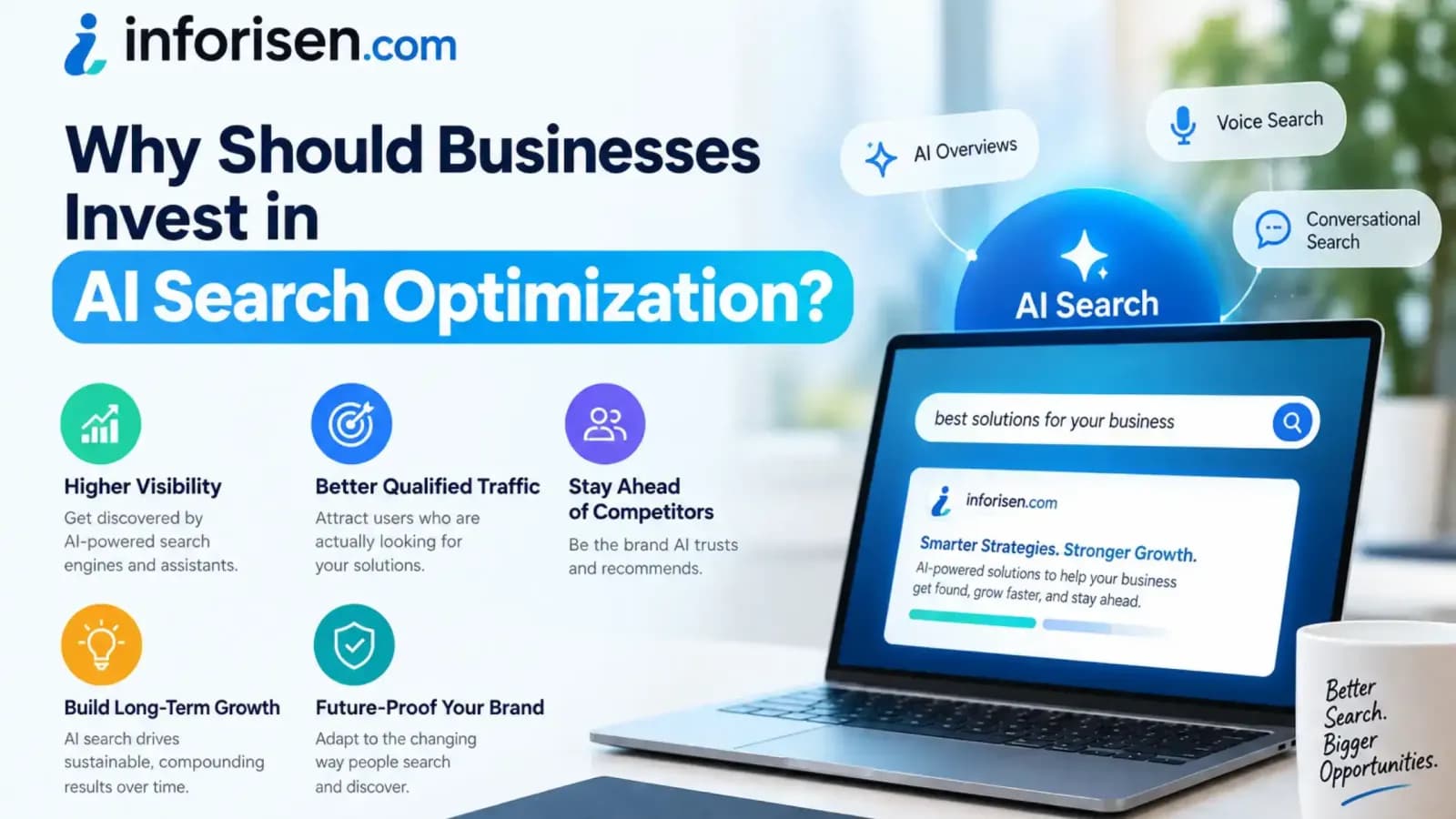
Search behavior increasingly includes direct questions, longer conversational queries, AI-generated answers, and follow-up searches. This is why businesses are now discussing AEO, GEO, AIO, and optimization for AI-driven discovery alongside traditional SEO.
Google's current guidance for generative AI search states that foundational SEO practices remain relevant because its generative search experiences rely on core Search ranking and quality systems. Google also describes AEO and GEO as terms used for work focused on AI search visibility while emphasizing that optimizing for generative Search still relies heavily on good SEO fundamentals.
For Professional SEO services, this means content should be clear enough for both users and systems to understand. Important questions should receive direct answers, headings should describe what follows, entities and relationships should be explicit, claims should be supported where necessary, and related pages should form logical topic clusters.
How Long Does SEO Take to Produce Results?
There is no reliable universal timeline for SEO because websites start from very different positions. Competition, domain history, technical condition, existing authority, content quality, available resources, market demand, and implementation speed can all influence progress.
A newer website in a highly competitive market may need considerably more development than an established brand that already has authority but suffers from technical or content problems.
Rather than relying on a guaranteed date, businesses can monitor leading indicators. These may include improved crawling, better index coverage, growing impressions, stronger rankings for relevant search groups, increased clicks to important pages, and eventually improved conversions.
How to Choose the Right SEO Service Provider
Choosing an SEO provider should involve more than comparing monthly prices. Businesses should understand what problem the provider plans to solve, how it reached that conclusion, what work will actually be delivered, and how success will be evaluated.
A provider should be able to explain its recommendations in understandable business terms. If the strategy consists only of vague phrases such as "advanced SEO optimization" or "premium backlink service," it becomes difficult to know what is actually being purchased.
Look for a provider that can clearly discuss:
- Current website problems and opportunities
- Search intent and customer behavior
- Technical priorities
- Content strategy
- Commercial landing pages
- Internal and external authority
- Reporting and KPIs
- Responsibilities and deliverables
- Risks and realistic expectations
- How SEO supports wider business goals
Be especially careful with guaranteed ranking claims. Google explicitly states that nobody can guarantee a number-one Google ranking and advises caution when an SEO provider is unwilling to clearly explain its methods.
Why Choose Inforisen for SEO and Complete Digital Growth?
A common challenge for businesses is fragmentation. One company handles SEO, another redesigns the website, a separate developer manages technical changes, and another marketing team works on acquisition. When these teams operate without alignment, SEO recommendations can conflict with design decisions, development changes can create search problems, and traffic growth may not translate into better customer experiences.
Inforisen positions itself as a broader digital partner covering SEO, UI/UX design, web development, software development, digital marketing, and related growth services. Its published service information describes SEO work involving keyword research, on-page optimization, technical audits, content optimization, local targeting, link-building strategies, and performance reporting.
That combination can be particularly useful when a business needs more than rankings. A website may require stronger organic visibility, but it might also need improved user flows, more intuitive interfaces, technical development, or conversion-focused website improvements. Inforisen's service portfolio allows these needs to be considered within a connected digital strategy rather than treating every issue as an isolated SEO task.
Its UI/UX offering includes user-centered design, wireframes, prototypes, responsive layouts, user-flow optimization, and accessibility-focused work, while its software services cover custom applications, integrations, scalable architecture, performance optimization, and ongoing support.
Final Thoughts on What Are SEO Services
So, What are SEO services when we look beyond the technical terminology? They are a structured way of making a business easier to discover when potential customers are already searching for relevant information, solutions, products, or services.
A complete SEO strategy combines search-intent research, technical accessibility, useful content, strong commercial pages, logical website architecture, authority, local visibility where necessary, user experience, and continuous performance analysis. Each part supports another, which is why SEO works best as a coordinated growth strategy rather than a checklist of disconnected activities.
Businesses should therefore avoid choosing an SEO provider solely because it promises more keywords, more backlinks, or a larger number of monthly tasks.
Frequently Asked Questions About SEO Services
SEO services are professional strategies used to improve a website's organic search visibility and attract people searching for relevant information, products, or services. They can include keyword research, technical SEO, on-page optimization, content strategy, local SEO, authority development, internal linking, and performance tracking.
A complete SEO service can include website auditing, keyword research, competitor analysis, technical optimization, content development, on-page SEO, internal linking, local SEO, backlink strategy, reporting, and ongoing improvement. The exact combination should depend on the website's current condition and business objectives.
SEO services usually begin with research and an audit. Specialists identify technical problems and search opportunities, map keywords to appropriate pages, improve website content and structure, resolve important technical issues, build relevant authority, and measure performance. The strategy is then refined according to results and new opportunities.
The major types include on-page SEO, technical SEO, content SEO, off-page SEO, local SEO, ecommerce SEO, and enterprise SEO. A business may need several types simultaneously because search performance depends on content relevance, technical accessibility, authority, website structure, and user intent.
An SEO company may monitor rankings and organic traffic, review technical problems, optimize important pages, update declining content, research new opportunities, strengthen internal links, create content, support authority development, monitor competitors, and report results. The priorities should evolve as the website improves.
SEO can be valuable for a small business when potential customers regularly use search engines to find its products or services. The most effective strategy usually focuses on commercially relevant pages, local visibility where applicable, technically healthy foundations, useful content, and measurable conversions instead of chasing traffic alone.
Choose an agency that understands your business model, explains its strategy clearly, provides transparent deliverables, uses realistic expectations, and connects SEO activity with measurable business goals. Avoid providers making guaranteed ranking claims, and look for a strategy based on search intent, technical quality, content usefulness, and long-term improvement.

.webp&w=3840&q=75)