How to Choose an SEO Company for Sustainable Business Growth
Learn how to choose an SEO company by comparing expertise, strategy, pricing, case studies, reporting, red flags, and long-term business fit.
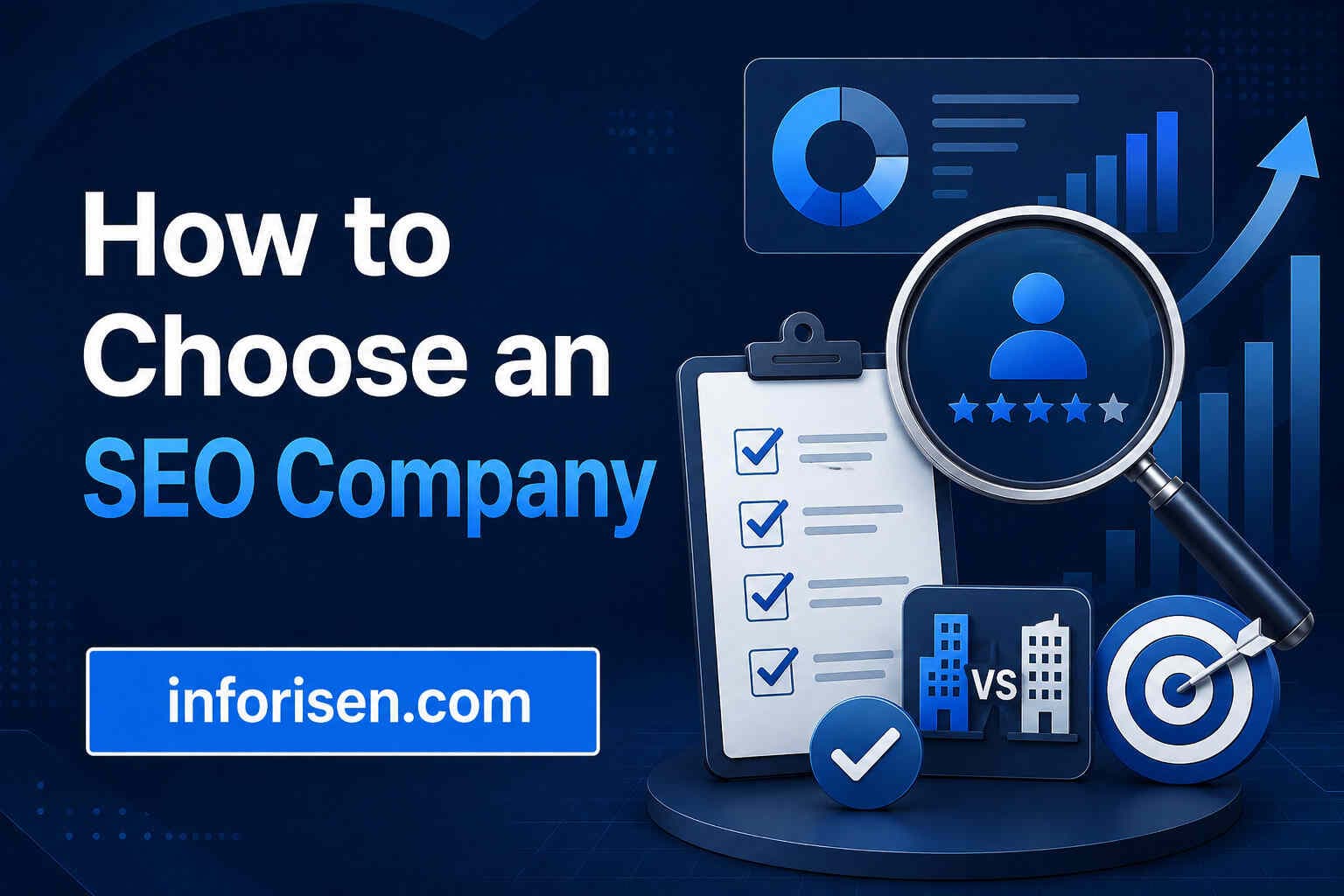
Choosing an SEO partner can feel risky because agencies promise traffic, rankings, and growth, while the real difference appears in strategy, execution, and accountability. If you are researching how to choose an SEO company, focus less on sales language and more on how well the team understands your business, customers, website, competitors, and revenue goals. A dependable agency should explain what it will do, why each action matters, how success will be measured, and what realistic progress looks like. This guide shows you how to evaluate agencies, compare proposals, spot red flags, and choose a partner built for sustainable results.
How to Choose the Right SEO Agency Based on Business Fit
The right SEO agency is not automatically the company with the largest team, longest client list, or most expensive package. It is the company whose capabilities match the problems your business actually needs to solve.
Before contacting agencies, clarify what you want SEO to accomplish. You may need more qualified leads, stronger ecommerce sales, better local visibility, improved technical performance, international reach, or more visibility for commercial keywords. These objectives require different combinations of technical SEO, content, digital PR, local SEO, conversion optimization, and website development.
Google also recommends looking for an SEO provider that takes an interest in the business itself, including its customers, competitors, unique value, and the role search plays in attracting buyers.
That is an important distinction. When considering how to choose the right SEO agency, ask whether the agency is trying to understand your situation before offering a solution. A customized diagnosis is usually more useful than receiving a fixed package during the first conversation.
Start With Your Business Goals, Not Keyword Rankings
Ranking improvements matter, but rankings should support a commercial purpose. A keyword in position three means little if it attracts people who never become leads or customers.
Define several outcomes before asking for proposals. These could include increasing non-branded organic leads, improving visibility for high-intent service searches, generating ecommerce revenue, reducing dependence on paid advertising, or creating stronger visibility in AI-powered search experiences.
This approach also makes conversations with agencies easier. Instead of asking, “Can you rank my website?” you can ask, “How would organic search contribute to this business objective?” The quality of the answer tells you much more about the agency's strategic thinking.
What to Look for in an SEO Company Before Signing a Contract
A convincing website or sales presentation should never be enough to make the decision. The agency must demonstrate that its strategy, processes, reporting, technical knowledge, and communication can support your business after the contract begins.
When deciding what to look for in an SEO company, evaluate several areas together rather than allowing one impressive case study or low price to determine your choice.
| Evaluation Area | What a Strong Agency Should Show | Warning Sign |
|---|---|---|
| Business understanding | Questions about customers, margins, services, competitors, and goals | Immediately pushes a standard package |
| SEO strategy | Clear priorities based on research and website condition | Generic monthly task list |
| Technical ability | Auditing, indexing, crawling, internal linking, performance, and implementation knowledge | Only discusses keywords and backlinks |
| Content capability | Search intent, topic strategy, quality control, and conversion-focused content | Publishes high volumes without clear purpose |
| Reporting | Leads, conversions, visibility, organic traffic, completed work, and next actions | Reports only impressions or ranking screenshots |
| Communication | Defined contact person, meeting schedule, and transparent explanations | Slow answers or unclear responsibilities |
| Proof | Relevant case studies, examples, references, and measurable outcomes | Claims without evidence |
| Contract | Defined scope, responsibilities, pricing, ownership, and cancellation terms | Vague deliverables or restrictive clauses |
Recent guidance from Clutch similarly emphasizes transparency, relevant experience, case studies, technical capability, customization, communication practices, and clear contracts when evaluating providers.
Once these fundamentals are clear, the next task is determining whether the agency can actually execute the strategy it recommends.
How to Evaluate an SEO Agency Beyond Rankings and Traffic

A good evaluation looks at both results and the process that produced them. Traffic graphs can be impressive, but they may not tell you whether the visitors were valuable, whether conversions improved, or whether the growth came from relevant commercial searches.
When researching how to evaluate an SEO agency, ask for a case study that explains the original problem, strategy, implementation, timeline, and measurable business outcome. A useful case study should help you understand what the agency changed and why.
Google recommends asking potential SEO providers for previous work, success stories, expected outcomes, measurement methods, industry experience, and communication practices. It also recommends checking references rather than relying only on the agency's own claims.
Look at Technical and Website Experience
Modern SEO frequently requires changes beyond metadata and articles. Developers may need to improve site architecture, redirects, rendering, page templates, Core Web Vitals, navigation, structured data, or internal linking.
Understanding why web development is important for business growth also helps explain why SEO and development teams often need to collaborate. An SEO strategy loses value when important technical recommendations remain unimplemented for months.
You should therefore ask who handles technical implementation. Some agencies only provide recommendations. Others have developers or collaborate directly with the client's development team. Neither model is automatically wrong, but the responsibilities should be clear before work begins.
Check Whether SEO and User Experience Work Together
Search visibility cannot be evaluated completely in isolation from the experience visitors receive after landing on the website. Navigation, page structure, readability, mobile usability, calls to action, and information hierarchy can influence whether organic visitors stay, understand the offer, and convert.
The relationship between how UI/UX design affects SEO and website ranking is therefore worth considering when interviewing an agency. A mature SEO team should recognize when a ranking problem is actually connected to website experience or conversion friction.
SEO teams do not have to perform every design or development task themselves. However, they should be able to collaborate with the people responsible for them. Even understanding whether UI/UX designers need coding can help businesses think more clearly about how SEO, design, and development responsibilities overlap during implementation.
Questions to Ask an SEO Company Before Hiring
A sales call should be treated as an interview, not simply as a presentation. The agency is evaluating whether you are a suitable client, and you should evaluate whether its people, strategy, and processes deserve access to your website and marketing budget.
These are some of the most useful questions to ask an SEO company before hiring:
- What would you investigate during the first 30 to 60 days?
- How would you connect our SEO strategy with business goals?
- Which SEO activities would receive the highest priority and why?
- Who will work directly on our account?
- How will you measure qualified traffic, leads, sales, or other conversions?
- Which changes will your team implement, and which changes will our team need to handle?
- Can you show a relevant case study and explain what created the result?
- How do you approach link acquisition?
- How do you use AI in research, content, analysis, or workflows?
- How often will we receive reports and strategy updates?
- What happens if the original strategy is not producing the expected progress?
- Who owns the content, accounts, data, and other assets if the relationship ends?
Listen to how the team answers, not simply whether every answer sounds positive. Strong specialists can usually explain complicated SEO concepts in language a business owner or marketing manager can understand.
How to Compare SEO Companies Without Choosing on Price Alone
When several proposals look similar, it becomes tempting to compare monthly fees and choose the least expensive one. That approach can create problems because two agencies charging different prices may also be offering completely different levels of strategy, implementation, content, reporting, and expertise.
A better way to approach how to compare SEO compa nies is to create a simple weighted evaluation.
| Factor | Suggested Weight |
|---|---|
| Understanding of your business and customers | 20% |
| Quality of proposed strategy | 20% |
| Technical SEO capability | 15% |
| Relevant results and case studies | 15% |
| Content and search-intent expertise | 10% |
| Reporting and communication | 10% |
| Contract flexibility and transparency | 10% |
These percentages are not universal rules. They are a practical framework you can adjust according to your priorities.
For example, a company preparing for a major migration may give technical SEO more weight. A content-led SaaS company may prioritize topical strategy and product-led content. A local service business may place more importance on local search, lead tracking, and Google Business Profile expertise.
The objective is to compare value, fit, and execution ability rather than price in isolation.
How to Find a Good SEO Company for Your Industry
Industry experience can be useful, but it should not be treated as the only qualification. A team that has worked in your sector may already understand common search behavior, terminology, competitors, compliance concerns, and customer journeys.
However, relevant problem-solving experience may sometimes matter more than an identical industry portfolio.
For example, financial businesses often require a combination of trust, usability, security-conscious communication, and search performance. Looking at specialized work such as banking UX/UI design services illustrates why industry-specific digital requirements can extend beyond conventional keyword optimization.
If you are trying to understand how to find a good SEO company, ask candidates to explain how they would learn your industry rather than simply asking whether they have worked in it before.
A thoughtful agency should be able to discuss competitors, customer intent, content gaps, commercial priorities, website limitations, and the metrics it would investigate before committing to a strategy.
Best SEO Company for Small Business: Focus on Priorities and ROI
The best SEO company for small business is usually not the agency promising the largest campaign. It is the one that can identify the few actions likely to produce the most meaningful impact within the available budget.
Small businesses often have limited development resources, smaller content teams, and less room for wasted spending. This makes prioritization especially important.
A suitable agency may begin with technical problems that prevent important pages from performing, then improve high-value service pages, local visibility, conversion tracking, and content around searches close to a purchasing decision.
The strategy should grow as the business gains traction rather than forcing the company to pay for every possible SEO activity from the first month.
Companies also benefit when their digital partners can see beyond one channel. An integrated technology and digital partner such as Inforisen can be relevant when search performance depends on broader website, software, development, or user-experience improvements rather than SEO activity alone.
Red Flags When Hiring an SEO Agency

Poor SEO decisions may take months to become visible, so recognizing warning signs before signing a contract can protect both your website and your budget.
Google specifically warns businesses that nobody can guarantee a #1 Google ranking. It also advises caution when an SEO company is secretive about its methods, makes unsupported claims about being approved by Google, or recommends tactics that conflict with Google's official guidance.
Guaranteed Rankings
Statements such as “We guarantee position one in 30 days” should create immediate concern. Search results depend on competition, website quality, relevance, algorithms, market conditions, and many factors an agency cannot fully control.
A trustworthy company can set targets and forecasts, but it should distinguish estimates from guarantees.
A Strategy Built Only Around Backlinks
Links can play an important role in SEO, but a campaign that ignores technical issues, content quality, search intent, site architecture, user experience, and conversion performance is incomplete.
Ask how links will be earned, what types of websites will be targeted, and how relevance and quality will be evaluated.
Reports Filled With Numbers but No Meaning
A report showing hundreds of keyword movements can still hide weak business performance.
Good reporting should answer three simple questions: What happened? Why did it happen? What should happen next?
Metrics should also connect with business objectives wherever possible. Organic leads, ecommerce revenue, qualified conversions, assisted conversions, high-intent visibility, and landing-page performance may reveal more than one isolated traffic number.
No Clear Ownership or Access
Your business should understand who controls important assets such as Search Console, Analytics, websites, content, dashboards, and reporting accounts.
Avoid creating unnecessary dependency on an agency. If the relationship ends, your company should retain the assets and data it legitimately owns.
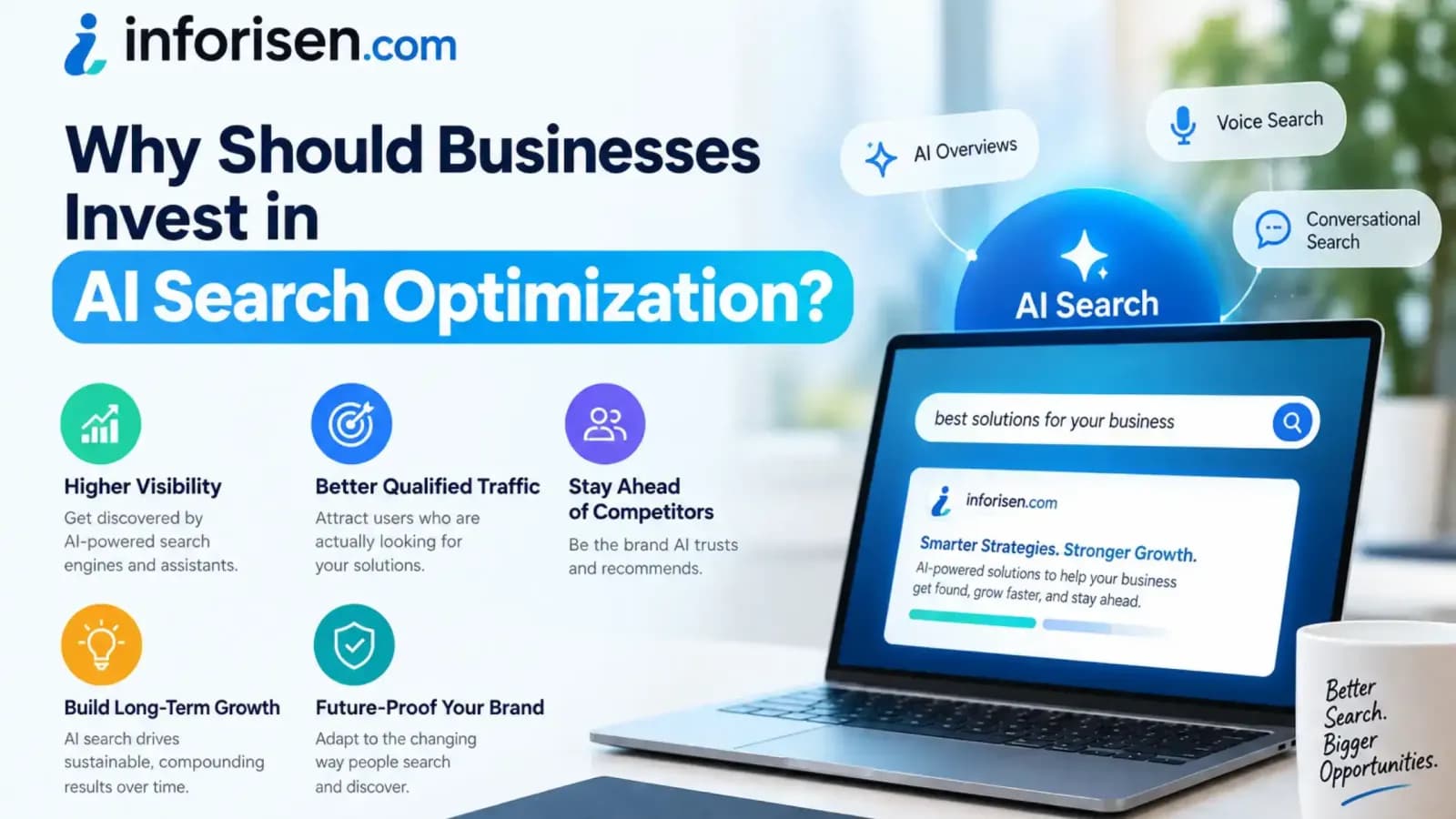
Using AEO, GEO, or AI as Empty Sales Language
AI search visibility is becoming part of modern organic search strategy, but new terminology should not replace fundamentals.
Google's June 2026 guidance specifically notes that third-party advice about AI experiences, including AEO and GEO, should be evaluated against official Search guidance. Google also states that third-party tools do not have access to its internal ranking data and cannot guarantee performance.
Ask agencies to explain exactly what they mean by AI optimization, which activities differ from conventional SEO, what evidence supports their recommendations, and how success will be measured.
How to Hire an SEO Company With a Clear Decision Process

Knowing how to hire an SEO company becomes easier when the process is structured instead of emotional.
Step 1: Define Your Desired Outcome
Write down the business problem SEO should solve, the markets you want to reach, your most valuable products or services, available resources, and the metrics that matter to management.
Step 2: Shortlist Three to Five Agencies
Review relevant experience, services, team expertise, reputation, communication, and evidence of results. Avoid creating an enormous shortlist because deeper evaluation is more valuable than speaking with dozens of companies.
Step 3: Hold Discovery Calls
Give each agency enough information to understand the business. Then compare the quality of the questions they ask you. Discovery should feel like diagnosis, not simply a sales pitch.
Step 4: Compare Strategies and Proposals
Look beyond the number of deliverables. Determine whether the proposed activities address your actual problems and whether the agency can explain the reasoning behind its priorities.
Step 5: Review the Contract Carefully
Confirm deliverables, payment terms, communication frequency, responsibilities, account ownership, reporting, contract duration, and cancellation conditions.
Clutch's current selection guidance similarly recommends clearly defined objectives, timelines, deliverables, payment expectations, and contract terms before beginning the engagement.
Once these five stages are complete, your decision should be based on evidence rather than the strength of the sales presentation.
Final Thoughts
Choosing the right SEO partner is ultimately a business decision, not a ranking purchase. The best choice will understand your market, explain its strategy clearly, connect SEO work to leads or revenue, and show evidence without hiding behind complicated reports. When deciding how to choose an SEO company, compare agencies by business fit, technical capability, content quality, communication, transparency, and realistic expectations. Avoid guarantees and vague packages that cannot explain what will happen each month. An agency should feel like an accountable growth partner whose recommendations make sense even before results arrive, giving you confidence in the relationship long term.
Frequently Asked Questions About Choosing an SEO Company
Look for strong business understanding, transparent strategy, relevant experience, technical capability, quality content processes, measurable reporting, realistic expectations, and clear communication. The agency should be able to explain why its recommended activities matter to your goals rather than simply presenting a standard package.
Review its case studies, client references, team expertise, website, communication style, reporting examples, and proposed methods. Ask specific questions about how work is performed. Be cautious when an agency guarantees rankings or refuses to explain its strategy.
Comparing around three to five serious candidates is usually manageable for most businesses. The objective is not to collect as many proposals as possible. It is to create enough comparison to understand differences in strategy, price, expertise, and business fit.
Price should be considered, but it should not be the main decision factor. Compare the quality of strategy, scope, expertise, implementation, communication, reporting, and expected business value. A cheaper campaign that addresses the wrong problems can cost more in lost time than a well-planned campaign.
There is no universal timeline because websites begin from different positions and compete in different markets. Ask the agency to separate early implementation milestones from longer-term performance expectations and explain which indicators it will monitor as the campaign develops.
No responsible SEO provider can control Google rankings well enough to guarantee a particular organic position. Google itself warns businesses against SEO companies that promise a #1 ranking. A credible agency should discuss realistic objectives, forecasts, risks, and measurable progress instead.
The answer depends on budget, complexity, internal skills, and workload. An in-house employee can develop deep brand knowledge, while an agency may provide access to specialists across technical SEO, content, strategy, analytics, and outreach. Some businesses use a hybrid approach, keeping brand knowledge internally while using an agency for specialist execution.

.webp&w=3840&q=75)