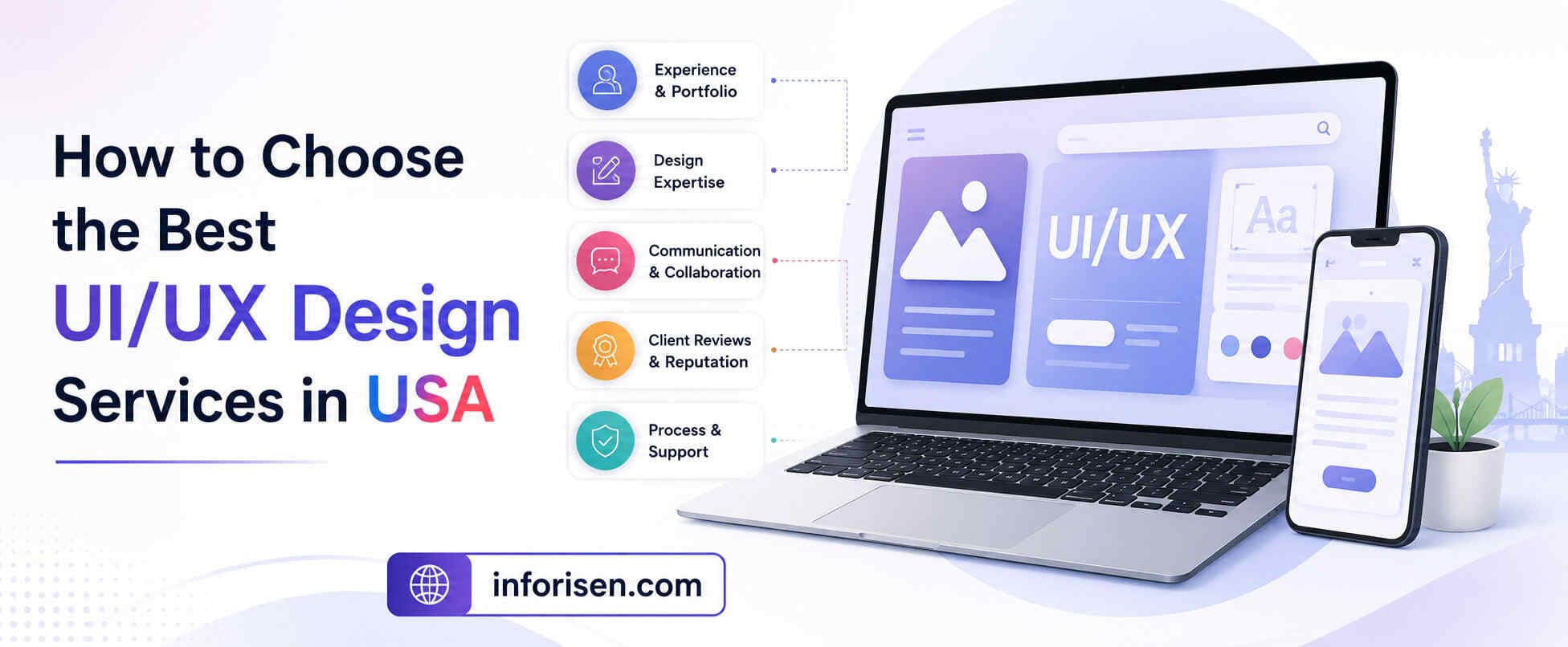
How to Choose the Best UI/UX Design Services in USA? 7 Key Factors
Learn how to choose the best UI/UX design services in USA using 7 key factors, including portfolio, research, accessibility, pricing, and handoff.
Choosing a design partner is not only about finding a team that can create attractive screens. Learning how to choose the best UI/UX design services in USA helps you identify an agency that understands your users, business goals, technical requirements, and long-term product strategy.
The right team should be able to simplify complex journeys, test important assumptions, and create an experience that supports both users and business growth. Before comparing agencies, you need to know exactly what your product requires and how each potential partner approaches the design process.
Why the Right UI/UX Design Partner Is Important
UI and UX influence how people understand, trust, and use a digital product. A confusing navigation system, complicated checkout process, or unclear onboarding flow can prevent users from completing important actions even when the visual design looks polished.
A capable design agency looks beyond colors, typography, and illustrations. It studies user behavior, identifies friction points, organizes information, creates prototypes, and tests whether the proposed experience works for real people.
The U.S. Web Design System recommends starting with real user needs and treating accessibility as part of every design decision rather than as a final compliance check. This principle is useful for commercial products as well because inclusive, user-focused experiences can serve a wider audience.
Selecting the right partner can help your business:
- Make complicated features easier to understand
- Improve navigation and task completion
- Reduce unnecessary development revisions
- Create consistent experiences across devices
- Strengthen product credibility
- Improve customer onboarding and retention
- Build scalable design systems
- Support accessibility and usability
- Align product decisions with business objectives
However, these benefits depend on choosing an agency with a reliable process, relevant experience, and a clear understanding of your market.
Define Your UI/UX Design Requirements First
Before contacting agencies, define what you are trying to design or improve. A company creating a new mobile application will have different needs from an enterprise redesigning an established software platform.
Start by identifying the product, users, business objectives, technical limitations, expected deliverables, and approximate timeline. You do not need to prepare a complete design brief, but your team should understand the main problem the agency is expected to solve.
Identify the Type of Product You Are Building
Clarify whether the project involves:
- A marketing website
- An ecommerce platform
- A mobile application
- A SaaS product
- An enterprise dashboard
- A marketplace
- A healthcare platform
- A financial product
- An internal business tool
- A complete digital product redesign
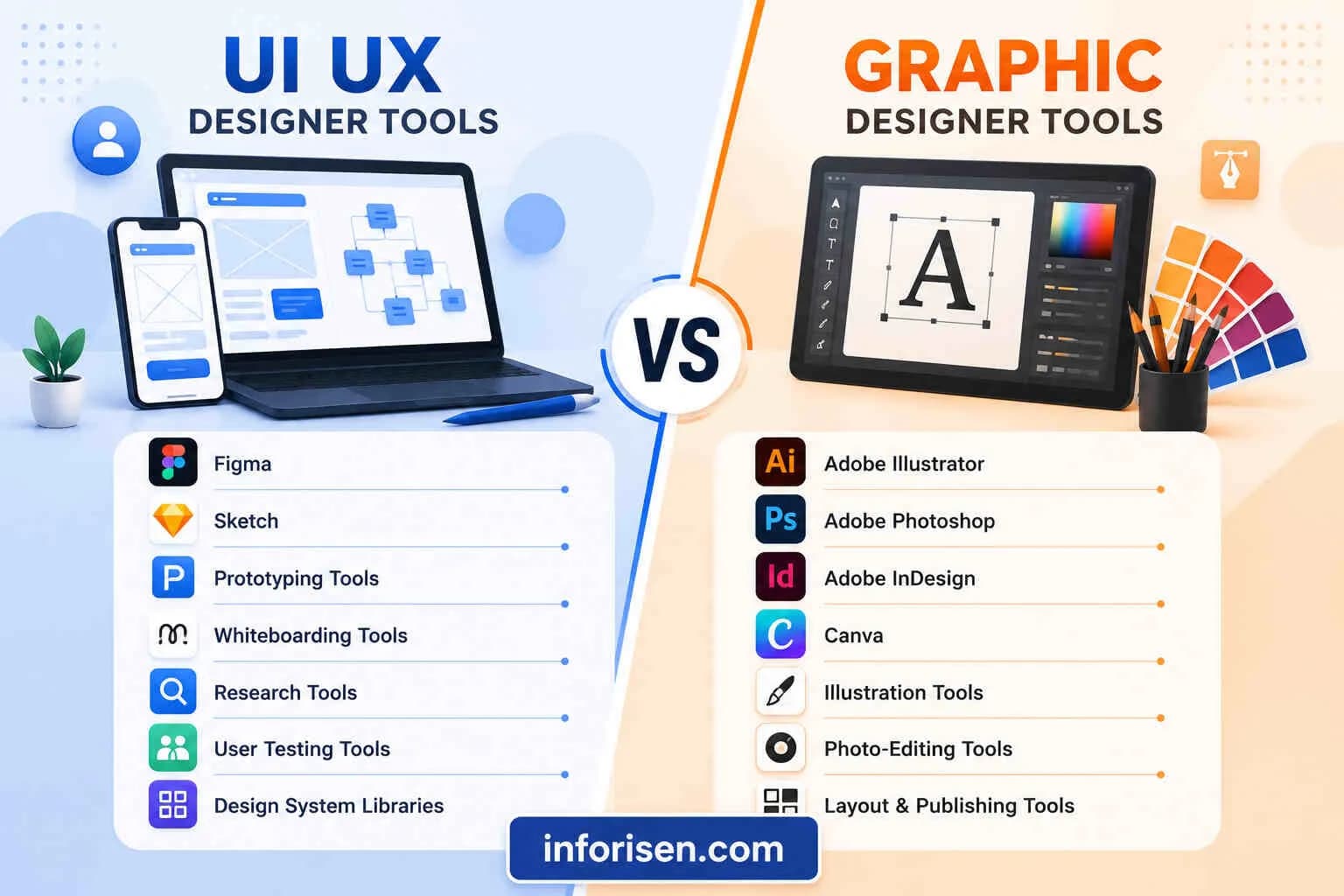
This information helps agencies determine the research methods, team structure, design tools, and project phases required.
Decide Which Services You Actually Need
Some companies need only interface design, while others require an end-to-end product design process. A complete engagement may include research, UX strategy, information architecture, user flows, wireframes, prototypes, visual design, usability testing, design systems, and developer handoff.
Reviewing professional UI/UX design services can help you understand how these activities fit together within a structured project.
Clearly defining the required services makes proposals easier to compare. It also prevents you from selecting a low-cost package that excludes critical research or testing activities.
How to Choose the Best UI/UX Design Services in USA? 7 Key Factors
A suitable agency should understand both user experience and commercial priorities. It should be able to explain why a design decision is appropriate instead of simply presenting a visually attractive concept.
Use the following criteria to evaluate potential partners consistently.
1. Review Relevant Portfolio Work
A portfolio shows an agency’s visual capabilities, but appearance should not be your only consideration. Look for projects that are similar to your product in complexity, audience, business model, or industry.
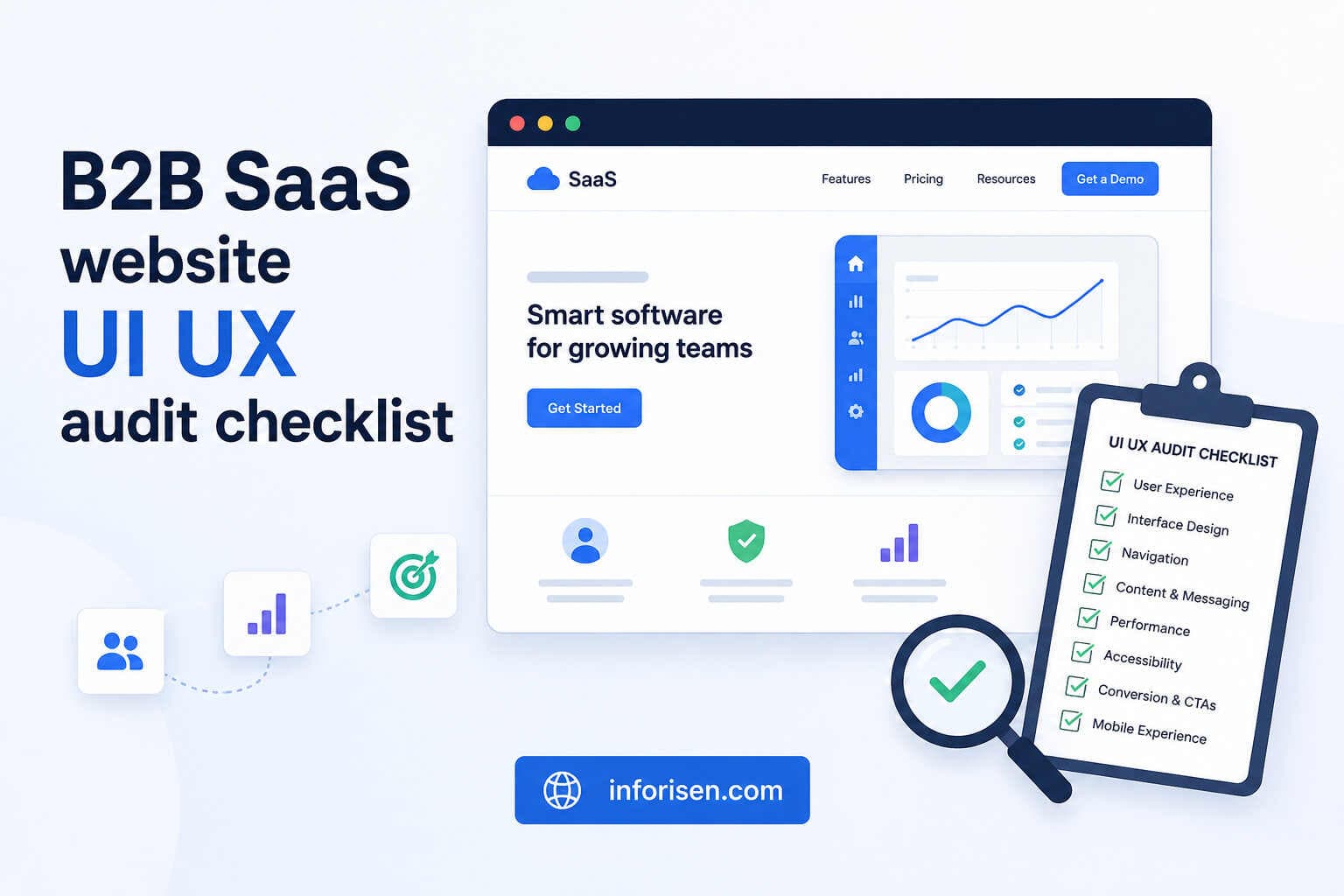
For example, a team that mainly creates promotional websites may not be the right choice for a complex enterprise dashboard. Similarly, an agency with strong B2B SaaS experience may be better prepared to handle permissions, data visualization, onboarding, and multi-step workflows.
When reviewing a portfolio, examine:
- Product type and target audience
- Complexity of the user journey
- Quality of information architecture
- Mobile and desktop responsiveness
- Accessibility considerations
- Consistency between screens
- Use of reusable components
- Clarity of calls to action
The goal is not to find an identical project. It is to determine whether the agency has solved problems with a comparable level of complexity.
2. Understand the Agency’s Research Process
User-centered design requires more than internal opinions. It involves understanding users, their goals, their environment, and the obstacles they experience while using a product.
A research process may include stakeholder interviews, customer interviews, surveys, analytics reviews, competitor analysis, user journey mapping, usability testing, or contextual observation. The appropriate methods depend on the product and available evidence.
A credible agency should explain what it wants to investigate, which participants it needs, how findings will be analyzed, and how those findings will influence the design.
Research should not be added merely to make a proposal appear comprehensive. Every activity should support a specific product decision.
3. Check Whether the Team Uses an Iterative Process
Good design rarely appears in one attempt. Teams usually explore multiple ideas, gather feedback, test important flows, and refine the interface before development begins.
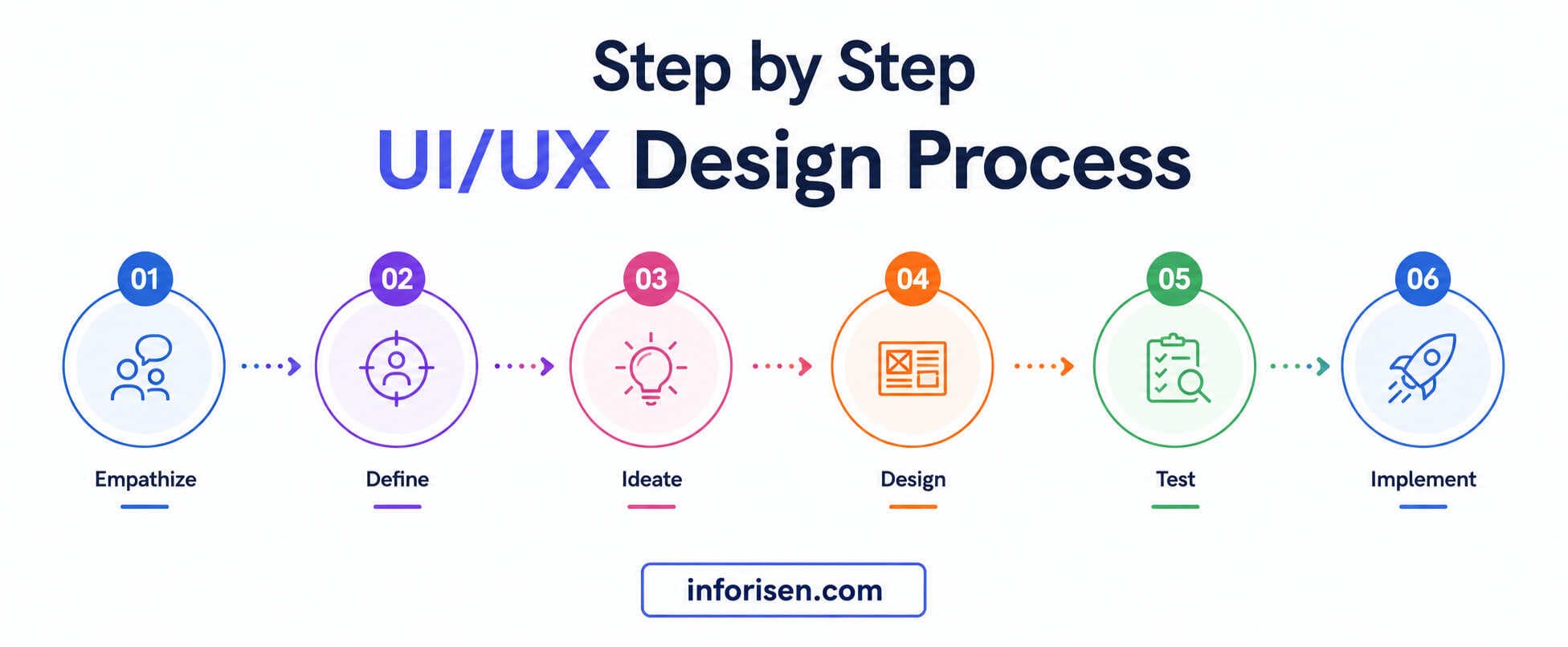
A practical process may follow these stages:
- Discovery and stakeholder alignment
- User and market research
- Information architecture
- User flows
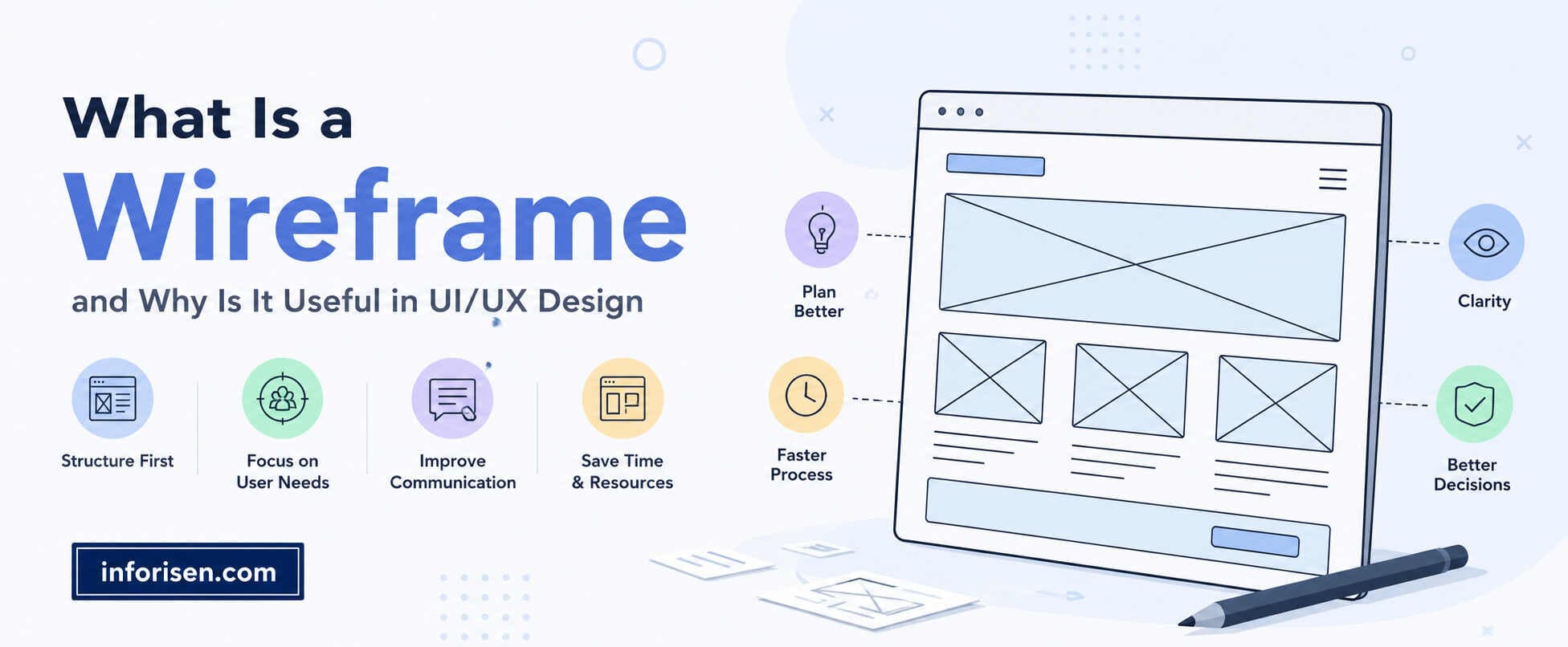
- Wireframing
- Interactive prototyping
- Visual interface design
- Usability testing
- Design system creation
- Developer handoff and implementation support
The process does not need to follow this exact order for every project. However, the agency should show how it moves from understanding the problem to testing the solution.
Nielsen Norman Group explains that small, repeated qualitative usability studies can reveal major interface problems efficiently. Its widely cited guidance suggests testing with approximately five users for many qualitative studies, then improving the design and testing again rather than investing the entire budget in one large test.
4. Evaluate the Team’s Expertise
Choose an agency with experience in products similar to yours in complexity, audience, or business model. Exact industry experience is helpful, but strong problem-solving skills are more important.
Check whether the team understands:
- Product complexity
- Target users
- Accessibility needs
- Multiple user roles
- Technical limitations
- Conversion goals
Also ask who will actually work on your project and whether senior designers will remain involved.
5. Assess Communication and Collaboration
A successful UI/UX project requires clear communication between designers, developers, and stakeholders. The agency should explain its decisions, provide regular updates, and manage feedback properly.
Evaluate whether the team:
- Responds on time
- Asks relevant questions
- Explains ideas clearly
- Documents feedback
- Identifies risks early
- Accepts constructive criticism
Also confirm which tools they use for communication, design reviews, and project management.
6. Compare Pricing Based on Scope and Value
Do not select an agency based only on the lowest price. Compare what each proposal includes and whether important services are excluded.
A clear proposal should mention:
- Research and discovery
- Wireframes and prototypes
- Number of screens
- Responsive design
- Usability testing
- Revision limits
- Developer handoff
- Timeline and payment terms
Also ask how additional work, scope changes, and post-launch support will be charged.
7. Verify Development Handoff and Support
The agency should provide organized design files and clear instructions so developers can implement the interface correctly.
A proper handoff may include:
- Figma files
- Reusable components
- Responsive layouts
- Design guidelines
- Interaction details
- Accessibility guidance
- Developer support
Ask whether the agency also offers post-launch testing, design reviews, analytics-based improvements, and ongoing product support.
Evaluate the Team Behind the Agency
An impressive agency website does not guarantee that the right specialists will work on your project. Ask who will be responsible for research, UX design, UI design, project management, content, and design quality assurance.
Understanding what a UI/UX designer does can help you evaluate whether the proposed team covers the strategic and practical responsibilities your project requires.
Ask Who Will Work on Your Project
Find out whether the people attending the sales meeting will remain involved after the contract is signed. Some agencies present senior specialists during the initial conversation but assign most of the work to less experienced team members.
Ask for the following information:
- Names or roles of key team members
- Experience of the lead designer
- Availability of UX researchers
- Project manager responsibilities
- Estimated allocation of each specialist
- Quality review process
- Main communication contact
This does not mean every project needs a large team. A focused group of experienced specialists may be more effective than a large team with unclear responsibilities.
Evaluate Communication and Collaboration
Design projects involve frequent decisions, feedback, and revisions. The agency should have a clear system for sharing progress, collecting comments, documenting decisions, and resolving disagreements.
Ask how often meetings occur, which collaboration tools are used, and how stakeholders will review designs. You should also understand how the agency handles delays in client feedback or changes in project scope.
For U.S. businesses hiring a distributed or international team, confirm working-hour overlap and response expectations. Different time zones can be managed successfully when the agency has a defined communication schedule.
Compare Startup, Enterprise, and Custom UI/UX Services

The right engagement model depends on the size, maturity, and complexity of your organization. Top UI/UX design agencies in USA may offer several service models, but not every model will suit every business.
| Business Need | Recommended Design Focus | Important Agency Capabilities |
|---|---|---|
| Early-stage startup | Product validation, MVP flows and rapid prototyping | Lean research, fast iteration and flexible scope |
| Growing SaaS company | Onboarding, feature usability and design consistency | Product analytics, usability testing and design systems |
| Ecommerce business | Product discovery, checkout and mobile experience | Conversion-focused UX and responsive design |
| Enterprise organization | Complex workflows, permissions and scalability | Stakeholder management, system thinking and documentation |
| Existing product redesign | UX audit, journey improvement and migration planning | Research, testing and implementation support |
| New custom platform | End-to-end product strategy and interface design | Discovery, architecture, prototyping and developer collaboration |
UI/UX Design Services for Startups
Startups often need to validate an idea without designing every possible feature. The agency should help prioritize essential user journeys, test assumptions, and build a realistic MVP.
A good startup design partner understands that speed matters, but it should not use speed as an excuse to ignore research. Lightweight interviews, prototype tests, and competitor reviews can provide useful evidence without making the project unnecessarily slow.
The agency should also be comfortable working with changing requirements. Early-stage products evolve quickly, so the design process needs enough structure to maintain quality and enough flexibility to respond to new information.
Enterprise UI/UX Design Services
Enterprise products usually involve more stakeholders, technical dependencies, user roles, data, security requirements, and existing systems. The design agency must be able to manage complexity without making the experience difficult for users.
Look for experience in stakeholder workshops, enterprise research, accessibility, design systems, governance, and phased implementation. The team should be capable of documenting decisions so internal designers and developers can continue using the system after the engagement ends.
Enterprise buyers should also confirm how the agency handles confidentiality, access to internal information, and collaboration with legal, security, product, and engineering departments.
Custom UI/UX Design Services in the USA
Custom services are appropriate when a business cannot solve its problem with a prebuilt template or standardized package. The agency creates a process around the product’s users, workflows, technology, and commercial goals.
Custom UI/UX design services USA businesses consider should include a clear explanation of which activities are tailored and which deliverables are standardized. Custom work should not simply mean a higher price. It should provide a process that responds to the actual complexity of the project.
Review Accessibility and Responsive Design Capabilities
Accessibility should be considered during research, wireframing, interface design, content creation, and development. It should not be postponed until the product is ready to launch.
The World Wide Web Consortium encourages organizations to use WCAG 2.2, the latest version of its stable accessibility standard. WCAG organizes accessibility around four principles: content and interfaces should be perceivable, operable, understandable, and robust.
Ask prospective agencies how they approach:
- Color contrast
- Keyboard navigation
- Visible focus states
- Form labels and error messages
- Text readability
- Touch-target sizing
- Screen-reader compatibility
- Alternative text
- Responsive layouts
- Accessibility testing
An agency should not promise that design files alone guarantee compliance. Accessibility must also be maintained during development, content entry, testing, and future product updates.
Inspect the Agency’s Design System Experience
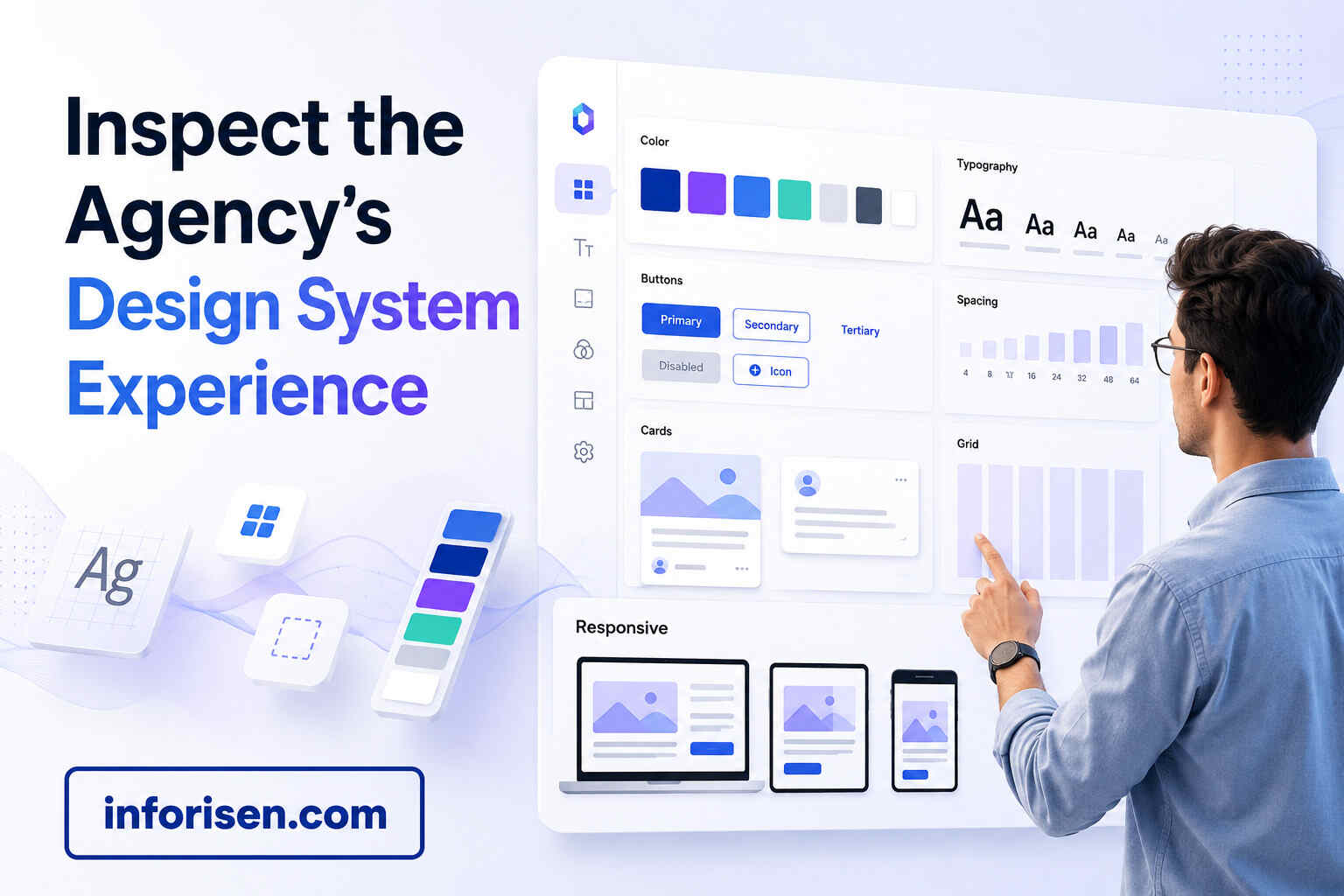
A design system is a collection of reusable components, patterns, rules, and documentation. It helps teams create consistent interfaces and reduces the need to redesign common elements repeatedly.
For a small website, a detailed design system may not be necessary. However, growing platforms and enterprise products often benefit from reusable components, typography rules, spacing standards, form patterns, and interaction guidelines.
Ask whether the project will include:
- Component libraries
- Design tokens
- Responsive component states
- Accessibility guidance
- Usage rules
- Naming conventions
- Developer documentation
- Version management
A scalable system should improve collaboration between designers and developers while supporting future product growth.
Check the Developer Handoff Process
A design project is not complete when the final screens are approved. Developers need clear specifications, reusable assets, interaction details, responsive behavior, and access to the appropriate design files.
Ask whether the agency provides annotated designs, component documentation, prototypes, exportable assets, and implementation support. It should also clarify how design questions will be handled during development.
Poor handoff can create inconsistencies between the approved design and the launched product. A cooperative agency reviews implementation, answers developer questions, and helps resolve practical issues without ignoring the original user experience.
Consider How UI/UX Supports SEO and Product Performance
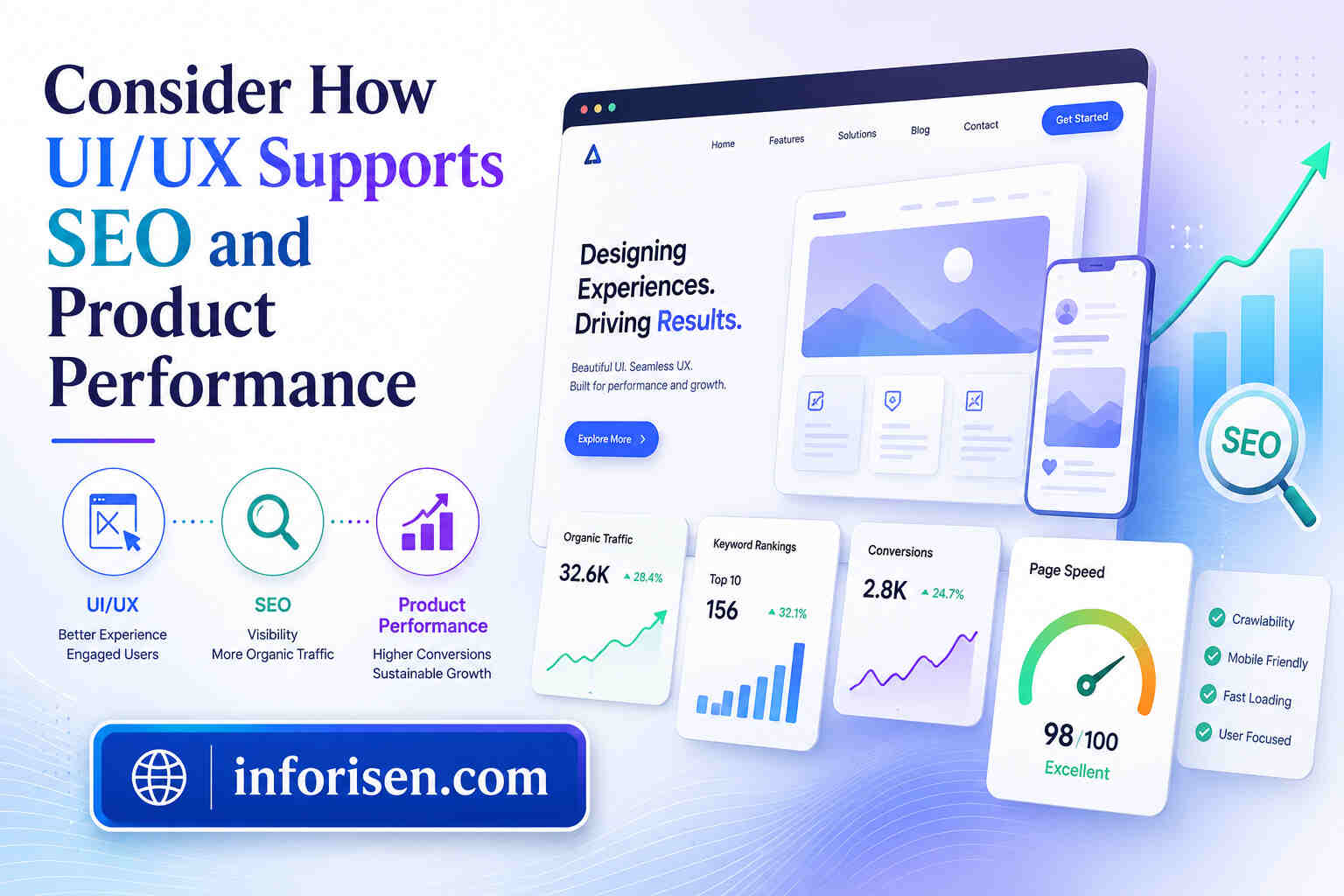
User experience and search performance are separate disciplines, but they influence each other in important ways. Mobile usability, navigation, content organization, page clarity, and performance can affect how visitors interact with a website.
A detailed explanation of how UI/UX design affects SEO and website ranking can help your marketing and design teams make decisions that support both discoverability and usability.
The agency should understand how to create logical page hierarchies, descriptive navigation, readable layouts, mobile-friendly interfaces, and clear content structures. However, be cautious of any design agency that guarantees search rankings based only on a redesign.
Compare Pricing Based on Scope and Value
Price is important, but a low estimate may exclude research, testing, revisions, design systems, or implementation support. Compare proposals by deliverables, team experience, project involvement, and expected value rather than by the total amount alone.
Common pricing models include:
- Fixed-price projects
- Hourly engagements
- Monthly retainers
- Dedicated design teams
- Design subscriptions
- Phase-based contracts
A fixed price may work for a clearly defined website, while a retainer or dedicated team may be more suitable for a product that changes continuously.
Each proposal should explain what is included, how many revisions are allowed, which activities may create additional costs, and who owns the final design files.
Questions to Ask Before Hiring a UI/UX Design Agency
A structured interview can reveal how an agency thinks and whether its process matches your expectations.
Ask these questions during the selection process:
- Have you designed products with similar users or complexity?
- How do you begin a new project?
- Which research methods would you recommend for our situation?
- How do you turn research findings into design decisions?
- How will you test the main user journeys?
- Who will work directly on our project?
- How do you handle stakeholder feedback?
- What accessibility standards do you follow?
- What files and documentation will we receive?
- How do you collaborate with developers?
- How are revisions and scope changes managed?
- How will project success be evaluated?
- What support is available after handoff?
- Who will own the final design assets?
The quality of the agency’s answers matters more than how quickly it responds. Strong teams explain their reasoning, acknowledge uncertainty, and avoid promising outcomes that cannot be guaranteed.
Warning Signs to Avoid During Agency Selection
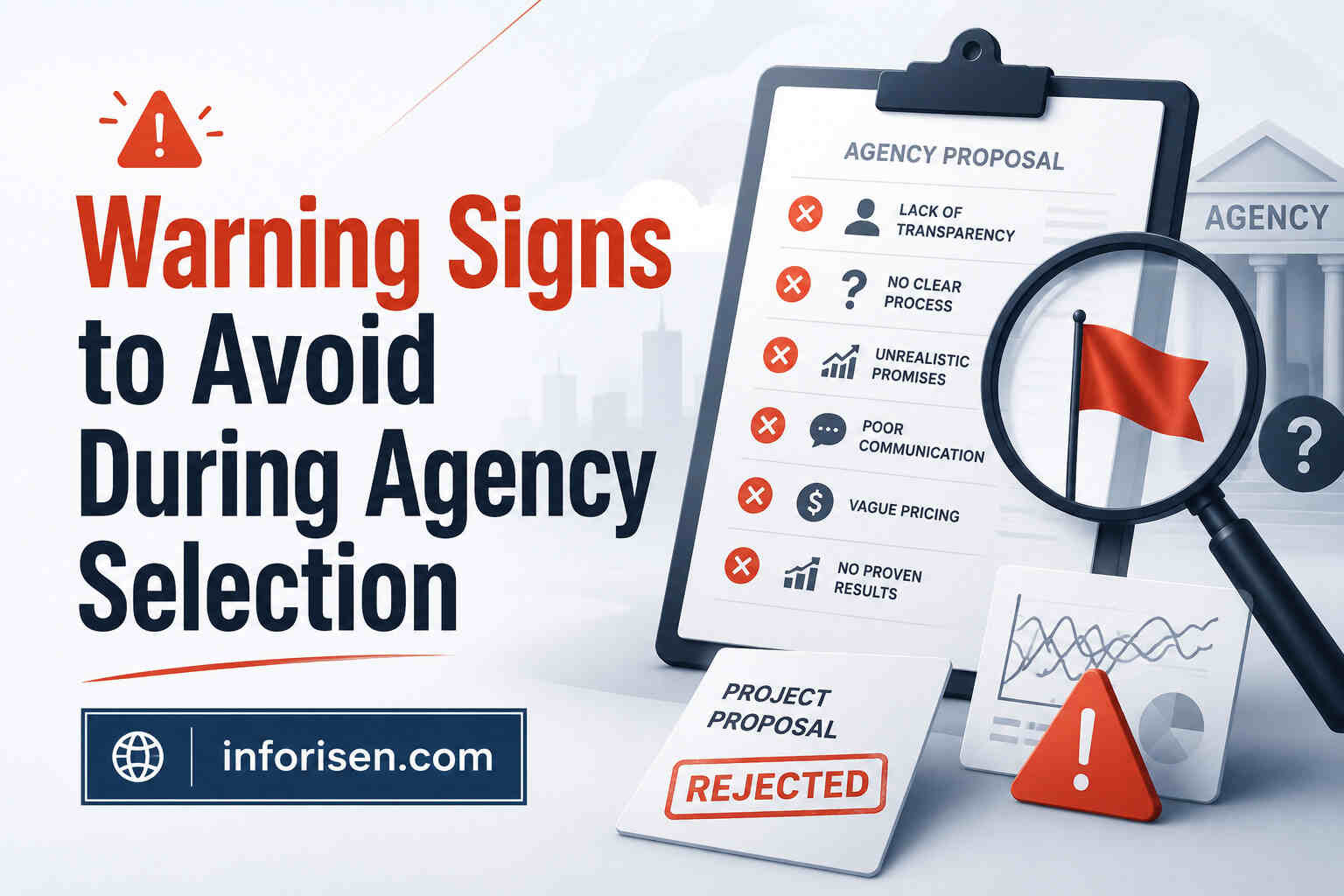
Some warning signs become visible before the project begins. Recognizing them early can prevent communication problems, unexpected costs, and weak design outcomes.
Be cautious when an agency:
- Promises a complete solution before understanding the problem
- Focuses entirely on visual trends
- Cannot explain its research process
- Presents screenshots without meaningful case studies
- Avoids discussing usability testing
- Provides an unclear project scope
- Cannot identify the actual project team
- Offers unlimited revisions without a process
- Ignores accessibility
- Has no developer handoff procedure
- Guarantees specific conversion or ranking results
- Uses the same process for every client
One warning sign does not always mean an agency is unsuitable. However, several unclear answers usually indicate that expectations need to be examined more carefully.
Create a Simple Agency Evaluation Scorecard
A scorecard reduces the influence of personal preference and helps stakeholders compare agencies using the same criteria.
| Evaluation Area | Suggested Weight |
|---|---|
| Relevant portfolio and case studies | 20% |
| Research and UX strategy | 15% |
| Proposed design process | 15% |
| Team experience | 10% |
| Usability and accessibility | 10% |
| Communication and collaboration | 10% |
| Developer handoff | 10% |
| Pricing and overall value | 10% |
You can adjust these percentages based on the project. For example, an enterprise platform may give more weight to design systems and stakeholder management, while a startup may prioritize speed, validation, and flexibility.
Score every shortlisted agency, discuss major differences, and verify references before signing the contract.
Final Checklist for Selecting a UI/UX Design Company
Before making the final decision, confirm that the agency:
- Understands your users and business goals
- Has relevant product experience
- Presents detailed case studies
- Uses research to guide decisions
- Includes prototyping and testing
- Considers accessibility from the beginning
- Provides responsive designs
- Has an experienced and identifiable team
- Communicates through a defined process
- Creates developer-ready deliverables
- Explains pricing and revisions clearly
- Transfers ownership of agreed design assets
- Offers appropriate implementation support
- Defines how success will be evaluated
The best choice is usually not the agency with the largest portfolio or the lowest price. It is the partner whose process, expertise, communication style, and service model match the realities of your product.
Final Words
Understanding how to choose the best UI/UX design services in USA requires more than browsing attractive portfolios. Define your needs, investigate each agency’s process, speak with the actual project team, examine research and testing capabilities, and compare proposals based on long-term value.
A dependable design partner will not simply decorate your product. It will help your organization understand users, reduce uncertainty, make informed decisions, and create a digital experience that can grow with the business.
Frequently Asked Questions
Look for relevant case studies, an evidence-based research process, usability testing, accessibility knowledge, clear communication, an experienced project team, and developer-ready deliverables. The company should explain how its decisions support users and business objectives.
Start by defining your product, audience, scope, timeline, and required deliverables. Shortlist agencies with relevant experience, review their case studies, interview the proposed team, compare detailed proposals, verify references, and confirm ownership terms before signing an agreement.
Use a scorecard that compares portfolio relevance, research quality, process, team experience, accessibility, communication, handoff, and value. Apply the same criteria to every agency instead of comparing portfolios based only on visual preference.
A freelancer may be suitable for a focused project with a limited scope. An agency may be more appropriate when you need research, strategy, UX design, UI design, testing, project management, and ongoing collaboration across several disciplines.
Costs depend on product complexity, research requirements, number of screens, required specialists, testing, design-system scope, and project duration. Request detailed proposals so you can compare included activities and deliverables rather than relying only on the total price.
A focused website or prototype may take several weeks, while a complex SaaS or enterprise platform may require several months. The timeline depends on research, stakeholder availability, feedback speed, testing requirements, and the number of design iterations.
Typical deliverables include research findings, personas or audience insights, user journeys, information architecture, user flows, wireframes, interactive prototypes, interface designs, responsive layouts, component libraries, accessibility guidance, and developer handoff documentation.
.jpg&w=3840&q=75)